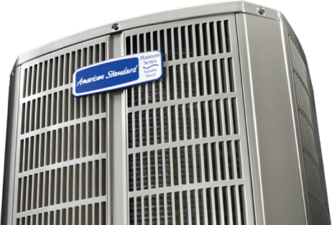
Before a cold evening arrives in Conroe, it is worth finding out how your heater behaves after months of lighter use. A short check while you are home can reveal weak airflow, confusing thermostat settings or a system that never reaches the selected temperature. It also gives you time to prepare vulnerable plumbing if the forecast includes freezing weather.
Air Tech of Conroe recommends approaching the change in weather in three stages: check the basics, observe a normal heating cycle, and address problems before temperatures fall further.
Start with the thermostat and airflow
Check that the thermostat is in Heat mode, then set it a little above the current room temperature. Review any programmed schedule so an old setting does not turn the temperature down unexpectedly. Replace thermostat batteries when needed, following the manufacturer’s directions.
Next, inspect the system’s air filter. Use the specified replacement size and filtration level, install it in the correct direction, and make sure it fits securely. Clear supply registers and return grilles throughout the home. Closing vents to unused rooms can affect airflow; do not treat it as a substitute for a properly designed zoning system.
Keep boxes, laundry and household products away from heating equipment. Do not remove service panels or try to adjust burners, electrical connections or refrigerant components. If the system needs more than basic accessible checks, arrange professional heating service.
Watch a complete heating cycle
Stay home for the first test. Listen for unusual banging or repeated clicking, check airflow in more than one room, and watch whether the thermostat’s room reading gradually rises. Note when a problem occurs: immediately at startup, after several minutes, or only when the equipment shuts down.
These observations are more useful than a guess about which part failed. A heater can run without delivering enough comfort because of airflow restrictions, a thermostat problem, duct leakage or equipment trouble. Some systems also need time to recover from a large temperature setback.
Know what is different about a heat pump
A heat pump may deliver air that feels less hot than air from a gas furnace while still warming the home. Compare the room temperature with the thermostat setting instead of judging performance by your hand at one register alone.
Heat pumps can also enter a defrost cycle in cold weather. Persistent heavy ice, poor heating or an unfamiliar warning is a reason to call for service. Do not chip ice off the outdoor coil. Avoid selecting Emergency Heat simply because a cold front is coming; follow your equipment instructions and your technician’s advice about that setting.
Check the safety items you rarely think about
Test smoke and carbon monoxide alarms and check their replacement dates. Fuel-burning heating equipment needs professional inspection and proper venting. If an alarm sounds or you suspect a gas leak, get everyone outside and call emergency services from a safe location. Do not use an oven to heat the house.
Review the CPSC’s carbon monoxide precautions before heating season, particularly if you use fuel-burning appliances or backup heating.
Give exposed pipes attention before a freeze
Check outdoor hose connections and water lines in accessible unheated spaces. Remove hoses and protect exposed plumbing before freezing conditions arrive. Know where the home’s water shutoff is located, and keep access clear. The Red Cross offers a frozen-pipe preparation guide for additional precautions.
If water flow drops sharply during a freeze, stop and investigate safely rather than assuming the fixture is clogged. Never use an open flame on a pipe. A leak, inaccessible frozen section or uncertain shutoff location is a reason to contact a plumber. If thawing reveals water where it should not be, ask about water leak services.
Turn observations into a service plan
Write down the rooms that stay cold, when the heater stops, and any thermostat message. Mention both heating and plumbing concerns when scheduling so the team understands what you need. Contact Air Tech of Conroe to arrange a visit before the next cold spell puts your home to the test.
Why Choose Air Tech of Conroe?

PEACE OF MIND GUARANTEE

30% UTILITY SAVINGS GUARANTEE

$500 INSTALLATION DATE GUARANTEE